The Quiet Pipeline: Building a Lead Routine from Shared Space at the BLR Centre
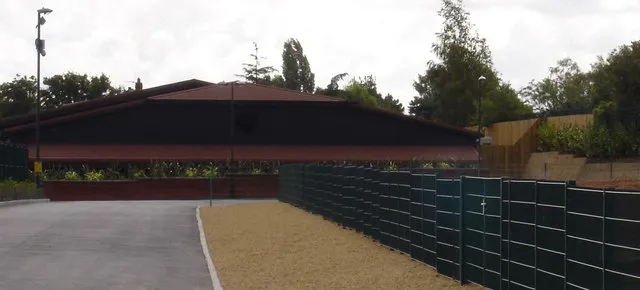
Photo: Richard Humphrey , CC BY-SA 2.0, via Wikimedia Commons
Shared space, structured opportunity
A business centre is rarely just a set of rooms. At the BLR Centre, the daily pattern of arrivals, room handovers, noticeboard visits and event attendance creates a low-cost commercial network. The difficulty is that informal contact is easy to leave to chance. A firm can spend months in the same building without turning a single useful conversation into a measurable enquiry.
The answer is not a harder sell. It is a repeatable routine that makes useful contact more likely, records what happens and respects the boundaries of a shared workplace. The seven steps below are designed for UK SMEs that want local leads without committing to paid advertising.
Step 1: Map the centre's informal channels
Begin with a one-week audit. Note where people naturally pause: reception, corridor junctions, noticeboards, waiting areas, room handovers and the edges of events. Record which channels you already use and which you ignore. Keep the map factual rather than speculative. The aim is to identify two or three places where a short, useful conversation is realistic.
This baseline matters. Without it, teams confuse activity with progress. A simple note of the number of conversations held, permission-based follow-ups agreed and enquiries generated gives you something to compare against next month.
Step 2: Draft a one-line centre offer
A shared-space conversation rarely survives a long pitch. Prepare one clear sentence that explains who you help, what problem you solve and what a sensible next step looks like. For example, a bookkeeper might say: 'I help local firms prepare for quarterly reporting; if your team needs a second pair of eyes before year-end, ask me for a 20-minute review.'
The sentence should be specific enough to be memorable and modest enough to be useful. Avoid jargon and avoid asking for a meeting before you have established relevance. The same line can be used on a noticeboard, in a corridor and at a BLR Centre networking event.
Step 3: Use the noticeboard with discipline
Noticeboards work best when they are treated as a service rather than a billboard. Ask the centre team about current policy, then produce a short, dated notice with a clear offer, a named contact and an expiry date. Keep it legible, avoid cramming and rotate it monthly so it does not become background noise.
A QR code can help, but it is not a substitute for a plain web address or phone number. The notice should invite a specific action, such as requesting a checklist or booking a short call. It should not add people to a mailing list without permission.
Step 4: Adopt a corridor calendar
Informal contact needs a light structure. Set two 15-minute windows each week when you are naturally present in shared areas, perhaps after a room booking or before an event. The objective is not to loiter; it is to be available for two useful conversations. Prepare one question that invites a genuine answer, such as asking what a neighbouring firm is working on in the final quarter of 2026.
Record the outcome afterwards. A conversation that produces a permission-based follow-up is more valuable than a stack of business cards collected without context.
Step 5: Arrange supplier swaps
Identify non-competing businesses at the centre whose clients might need your service. A design studio, an accountant and an IT support firm, for example, may serve similar SMEs without competing directly. Propose a 20-minute swap: each party explains its ideal client, the problems it solves and the kind of introduction that would be useful.
Agree a simple referral protocol. Confirm that introductions will be made only with the client's knowledge, and record what was agreed. A supplier swap is not a lead-generation shortcut; it is a trust-building exercise that depends on reciprocity and clear boundaries.
Step 6: Build referral chains
Ask satisfied contacts for a specific introduction rather than a general recommendation. 'If you know a local firm preparing for an audit, would you be comfortable introducing me?' is clearer than asking for 'any leads'. Make the same offer in return. Keep a referral log that records who was introduced, by whom and what happened next.
Referral chains grow when they are acknowledged. A short thank-you message and a progress update are usually enough. They also protect the relationship if the enquiry does not proceed.
Step 7: Review and prune every month
Set a monthly review rather than a daily obsession. Track conversations held, permission-based follow-ups, enquiries, quotations, referrals given and referrals received. Distinguish activity from outcomes. If a channel produces no permission-based follow-up after two review cycles, change the approach or stop using it.
Keep the routine proportionate
Shared-space lead generation must respect data protection and professional boundaries. Only add contacts to marketing lists where you have a lawful basis and, where required, consent. Record how and when permission was given. Do not use centre noticeboards for unsolicited bulk advertising, and do not assume that a friendly corridor conversation is an invitation to add someone to a newsletter.
The quiet pipeline is not a substitute for a proper sales process. It is an additional front door: low-cost, local and built on repeated usefulness. For SMEs at the BLR Centre, the commercial advantage lies in making that front door deliberate rather than accidental.