Planning Early 2027 Meetings at the BLR Centre: A Winter Booking Checklist for UK Teams
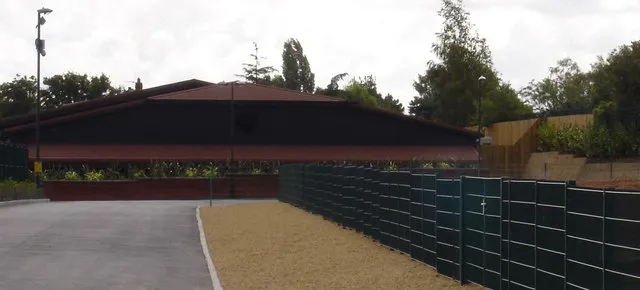
Photo: Oxymoron, CC BY-SA 2.0, via Wikimedia Commons
As of early November 2026, many UK organisations are already turning their attention to the first quarter of 2027. Calendars that look open today can fill quickly once January training budgets are confirmed, facilitator diaries are fixed and teams begin to travel again after the festive break. For anyone arranging meetings, workshops or training days at the BLR Centre, the sensible approach is to treat the booking as a short planning project rather than a single administrative task.
Begin with the purpose, not the room
The most common booking error is to choose a space before defining the format. A half-day strategy meeting for eight people has different requirements from a practical workshop for twenty or a full-day training session with breakout activity. Before enquiring about availability, set out the number of attendees, the preferred layout, whether participants will join remotely, and how much movement between rooms is likely.
At the BLR Centre, the room enquiry process works best when the organiser can describe the day in plain terms: arrivals, presentations, group work, refreshments and departure. That brief helps the team recommend a suitable space and flag any constraints early, including set-up time and access requirements.
Match the room to the working style
Room capacity is not simply a headcount. A theatre-style presentation can accommodate more people than a cabaret layout or a boardroom arrangement. For training days, allow space for facilitators to move between tables and for materials to be stored without cluttering walkways. For workshops, consider whether flip charts, pin boards or table plans need wall space and whether nearby breakout areas would help small-group discussions.
It is also worth checking the room before confirming if the event depends on a particular layout. A short site visit or a conversation with the BLR Centre team can prevent a costly mismatch between the planned agenda and the physical space.
Test the technology before it matters
Hybrid meetings have become routine, but they remain vulnerable to avoidable problems. Confirm which video platform will be used, whether an external speaker will present, and whether the room supports the required audio and display set-up. For training sessions, decide whether the session will be recorded and who will manage participant questions from remote attendees.
Build in a technical rehearsal rather than relying on a few minutes before the start. Test screen sharing, microphone levels and camera framing with the platform your organisation actually uses. If a facilitator is travelling from outside the area, arrange a short remote check in advance. The BLR Centre team can advise on the available equipment and any support arrangements, but the organiser should still own the final run-through.
Check accessibility from arrival to departure
Accessibility should be reviewed as part of the booking, not added afterwards. Consider step-free access, lift availability, accessible toilets, hearing loops, adjustable lighting and the distance from public transport. Ask whether participants with mobility aids will have sufficient space in the chosen layout, and whether quiet space is needed for anyone who finds a full-day event demanding.
Dietary requirements, prayer space and childcare pressures can also affect attendance. A simple pre-event form that invites participants to share adjustments confidentially will help the organiser plan without drawing attention to individual needs on the day.
Plan catering around the agenda
Refreshments are easy to overlook when the focus is on content. For morning sessions, arrival coffee and a light break may be sufficient. Full-day training usually requires a more structured approach, with lunch timings that do not compress the afternoon programme. Confirm dietary requirements in advance, allow for last-minute changes and avoid scheduling catering during the only networking break of the day.
Where an external caterer is involved, clarify delivery times, set-up access and clearing arrangements. The BLR Centre team can advise on what is practical within the building, but the organiser should keep a single point of contact for catering queries.
Build in a winter contingency
Early 2027 events sit in a period when UK weather and transport can change quickly. Snow, ice, flooding and rail disruption are not everyday occurrences, but they are common enough to justify a contingency plan. Decide in advance whether the event will move online, be postponed or proceed with a reduced programme. Nominate someone to make that decision and set a clear trigger point, such as a Met Office warning or a suspended rail service.
Share travel advice with attendees, including alternative routes and local parking options. If key speakers are travelling long distances, consider whether they can join remotely or whether a pre-recorded contribution would protect the agenda. Keep contact details for the venue and the facilitator accessible to more than one person.
Understand cancellation and postponement terms
Before confirming, read the cancellation and postponement terms carefully. Understand the notice period, any charges that may apply and whether a booking can be transferred to another date. For multi-session training programmes, check how individual dates are treated. If the event depends on a minimum number of attendees, set a decision date and communicate it clearly to participants.
A written summary of the agreed arrangements is useful for everyone involved. It need not be lengthy, but it should record the room, timings, layout, equipment, catering and cancellation terms.
A pre-confirmation checklist
- Define the purpose, attendee number and preferred layout.
- Confirm whether the event is in person, hybrid or fully remote.
- Check room capacity and breakout space against the agenda.
- Test the video platform, audio and display equipment in advance.
- Review step-free access, toilets, lighting and quiet space.
- Collect dietary and accessibility requirements early.
- Agree catering timings, delivery access and clearing arrangements.
- Write a weather and travel contingency plan with a named decision-maker.
- Read the cancellation, postponement and transfer terms.
- Share a written summary with the venue and key speakers.
Confirm with confidence
The winter booking period rewards organisations that plan early and ask precise questions. A clear brief, a realistic layout, tested technology and a sensible contingency plan will do more for the success of an early 2027 event than a last-minute upgrade or an overlong agenda. For UK teams using the BLR Centre, the most effective approach is to book the space that fits the work, confirm the practical details in writing and leave enough flexibility to respond if the weather or travel network has other ideas.