The Shortest Log That Does the Job: Visitor Data at BLR Centre Events
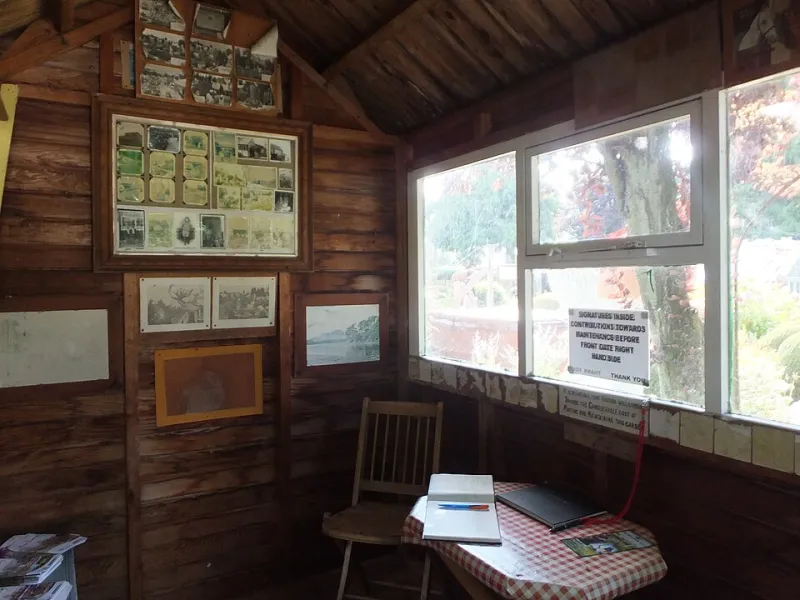
Photo: Barbara Carr , CC BY-SA 2.0, via Wikimedia Commons
Every gathering at the BLR Centre begins with the same modest administrative act: a name written in a book, or a few fields typed into a tablet by the door. It takes seconds. It also creates a record about identifiable people, which means it falls squarely within the UK GDPR and the Data Protection Act 2018. The good news is that a compliant routine is usually shorter than the one it replaces.
Start with the question the log must answer
Visitor sheets are often designed backwards. A template circulates with name, email, employer, job title, telephone number and a cheerful line asking how the visitor heard about the Centre, and only afterwards does anyone ask what the information is for.
A more disciplined method begins with purpose. At the BLR Centre, a sign-in record normally serves two functions. The first is safety: during an evacuation, the front desk and the fire marshal need a reliable picture of who is in the building and who has already left. The second is security: if an incident is reported later, it helps to know who was on the premises and when.
Those two purposes justify a short list — name, organisation, the host or event, arrival time and departure time. They do not justify collecting a marketing database by stealth. Follow-up emails, attendance records for continuing professional development and feedback surveys are separate purposes, and each should be handled separately, with its own explanation and its own retention period.
Collect less, and ask better
Under the data minimisation principle, the test is not whether a field might one day be useful but whether it is necessary now. In practice, three fields cover most BLR Centre events: name, organisation and host. A fourth, the time of arrival, is defensible on safety grounds. Contact details should be optional and clearly labelled as such, or gathered through a separate mechanism such as a mailing list sign-up with its own notice.
Two further points are worth making at the design stage. First, avoid free-text boxes on a public sheet. A comments column invites visitors to write "here for the accessibility session" or "struggling with the stairs", which may disclose health information — special category data that demands a much higher standard of care. Second, if the event is run by an external organiser hiring a room, decide in advance who keeps the list. Duplicated collection at both the building desk and the event desk is common, wasteful and difficult to explain if someone asks what is held about them.
The lawful basis question, answered plainly
Organisers sometimes assume consent is required for sign-in. It usually is not. Asking visitors to consent to a safety measure is awkward, because refusal must be genuinely free — and a visitor cannot meaningfully decline to be accounted for in a fire.
Legitimate interests is the more natural basis for a building safety and security record, provided a short balancing assessment has been done and the visitor is told what is happening. Consent remains the right basis for optional extras: marketing emails, photography, or a feedback request sent after the event. Keep those choices separate, and never bundle a photography consent into the sign-in process.
A concise notice at the desk — one paragraph, on a card or a small standing sign — is enough. It should say who holds the information, why, how long it is kept, and where to go with a question. The Centre's own privacy notice can carry the detail.
Retention: a calendar, not a habit
Indefinite retention is the most common failing in visitor records, and the easiest to fix. Set a destruction date when the sheet is created, not months later when the drawer is full.
A workable schedule for BLR Centre events looks like this:
- Routine event sign-in sheets: retained for 30 days after the event, then securely destroyed. This covers the window in which a safety or security query is realistically likely.
- Records connected to a reported incident or accident: retained for the period advised by the Centre's insurer or legal adviser, and kept separately from the general file.
- Optional marketing consents: held on the relevant mailing platform, not on the sign-in sheet, and refreshed in line with the Centre's marketing policy.
- Photography consent forms: retained for as long as the images are in use, plus a short margin.
Paper sheets should not be left on the clipboard overnight or carried between rooms. A locked drawer and a destruction log are unglamorous but effective. Digital sign-in tools need the same discipline: restricted administrator access, a named owner, and an export-and-delete routine that someone actually performs.
Cameras, phones and consent that holds up
Filming and photography deserve their own moment in the run sheet, not an announcement mumbled at the door. If a photographer will be present, say so in the joining instructions. Provide a visible way for a visitor to opt out — a coloured lanyard or badge dot works well — and brief the photographer on what it means.
Consent obtained at the door under pressure is weak consent. If images will later be used in promotional material, record the permission separately and specifically, and remember that consent can be withdrawn. Where a speaker is being filmed for a recording that will be circulated, a short written agreement before the session is more durable than a verbal nod.
CCTV covering the entrance is a separate matter from the event log. It should be covered by the Centre's own signage and retention policy, and organisers should not assume they can obtain footage on request.
A front-desk routine for the day
Four small actions carry most of the compliance weight.
- Before opening: confirm the notice is displayed, the sheet or device carries the correct event name, and the retention date is written on the paper.
- At arrival: ask only the agreed fields, offer a badge, and mention the photography position if relevant.
- During the event: keep the sheet at the desk rather than in the room, and note departures so the safety record stays accurate.
- At close: record the final departure count, place paper records in the locked drawer, and note any incident that requires the file to be retained longer than usual.
When someone asks what you hold
Individuals can request a copy of their personal data, and a response is normally expected within one month. For an event log this is usually straightforward: locate the sheet, copy the relevant entries, redact information about other visitors, and reply. Keep a short note of the request and the response. If a sheet is lost or a device is compromised, treat it as a personal data breach and follow the Centre's reporting procedure; the threshold for notifying the Information Commissioner's Office is a risk to individuals' rights and freedoms, and the assessment should be recorded either way.
The standard in one line
A visitor log should be short enough to complete in ten seconds, kept long enough to be useful in an emergency, and destroyed on a date that someone has written down. Everything beyond that is a choice, and choices should be explained.