Safe by Agreement: A Plain-English Connectivity Charter for Shared Workspace Teams

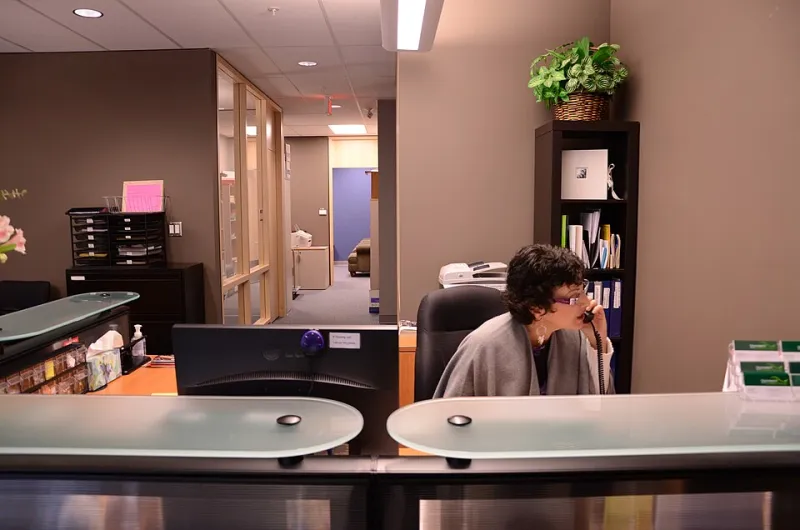
Photo: Benlande, CC0, via Wikimedia Commons
Shared connectivity is rarely the first item on a BLR Centre team’s agenda, yet it sits behind almost every meeting, invoice and client call. The centre’s Wi-Fi is designed for convenience; the responsibility for using it carefully is shared. A short connectivity charter can bridge the gap between good intentions and consistent practice, particularly for small teams without a dedicated IT function.
This is not a technical manual. It is a practical checklist that occupants can discuss, adopt and revisit. The aim is simple: reduce avoidable risk without turning everyday work into a security exercise.
Start with the network you trust
The first control is knowing which network you are joining. BLR Centre occupants should confirm the official network name and joining instructions from reception or the centre welcome pack, rather than relying on a name that looks plausible in a list of available connections. Lookalike networks are an old trick, but they remain effective in busy shared spaces.
Visitors and contractors should be directed to the appropriate guest arrangement rather than given the main credentials. If a device has previously connected to open public hotspots, disable automatic joining where possible. A moment spent checking the network name is a reasonable habit, not an inconvenience.
Make passwords and accounts less shareable
Shared workspaces encourage collaboration, but account credentials should not become part of the furniture. Each person should use individual logins, unique passwords and multi-factor authentication where the service offers it. A password manager is a sensible investment for even a two-person team; it reduces the temptation to reuse the same password across email, banking and client systems.
Avoid writing passwords on whiteboards, sticky notes or shared documents. If a team member leaves, revoke their access promptly and change any shared credentials they could have seen. The checklist does not need to be elaborate: unique accounts, protected passwords, prompt removal of leavers.
Keep devices visible and current
A laptop left unlocked in a shared room is a confidentiality risk before it is a technical one. Occupants should use screen locks, keep operating systems and browsers updated, and avoid leaving devices unattended in meeting rooms. Automatic updates are not always convenient, but postponing them indefinitely is a poor trade.
File-sharing features deserve particular attention. AirDrop, nearby sharing and local network file sharing should be switched off or restricted when not in use. Unknown USB sticks should not be inserted, however helpful the label. These are simple disciplines that fit naturally into a shared-space routine.
Treat printing as a data transfer
Printing is often overlooked in cyber guidance, yet paper moves client information across a shared environment. Teams should use secure or release-code printing where available, collect documents immediately and check the output tray before leaving. A confidential invoice left on a shared printer is no safer than an unencrypted email.
Where documents are no longer needed, use the centre’s confidential waste arrangements rather than general recycling. If a print job fails, clear it from the queue before walking away. These habits are modest, but they prevent the kind of low-level data exposure that can cause disproportionate embarrassment.
Read email with a measured eye
Suspicious email remains a common route into small organisations. Occupants should be wary of unexpected requests to change bank details, open attachments or click links, even when the message appears to come from a known contact. Verify payment changes by telephone using a number already held, not one supplied in the email.
A short reporting route helps. Teams can agree who receives suspected phishing messages internally and remind colleagues not to forward them widely. The BLR Centre’s shared environment is not the cause of phishing, but a collective habit of pausing before clicking is a useful contribution to everyone’s security.
Protect client data beyond the desk
Client information should be stored in approved cloud services with access controls, not in local folders shared across a network without oversight. Encryption, data minimisation and clear retention rules all matter. UK organisations handling personal data should remain mindful of their obligations under data protection law and the guidance available from the Information Commissioner’s Office.
If a device is lost or a suspected data incident occurs, speed matters more than blame. The charter should name a first point of contact and a simple reporting step. A calm, documented response is far better than an improvised one.
Turn the checklist into a one-page agreement
Adoption is easier when the rules are few and visible. A BLR Centre team could agree five commitments: use the official network, protect accounts with unique passwords and multi-factor authentication, lock devices and disable unnecessary sharing, handle printed material securely, and report suspicious messages or incidents promptly.
Include the commitments in induction materials for new occupants and review them at least quarterly. The charter should be a living document, not a noticeboard ornament. With the final weeks of 2026 approaching, it is a sensible moment to confirm that shared connectivity remains an asset rather than an unmanaged risk.