Addressing the Address: A Compliance-Minded Guide to Using the BLR Centre as a Registered Office
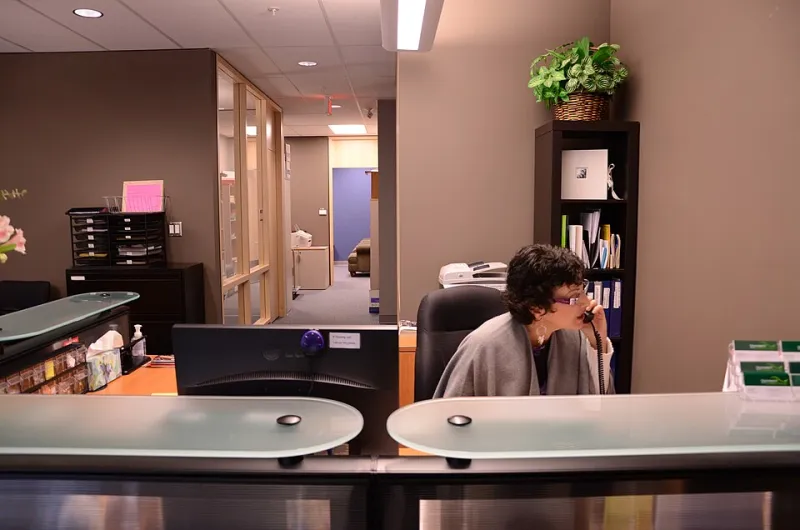
Photo: University of the Fraser Valley, CC BY 2.0, via Wikimedia Commons
A business address is more than a line on a website. For companies using shared workspace, it can become a public record, a mail-handling arrangement and a client-facing promise all at once. At the BLR Centre, members increasingly ask whether the building address can serve as a registered office, a correspondence address or the address shown to clients and suppliers. The answer is usually a qualified yes, but only when the arrangement is deliberate, documented and understood by everyone involved.
Begin with written permission, not assumption
The starting point is consent. A shared workspace licence or membership agreement may permit use of the BLR Centre address for certain purposes, but it may not automatically permit every use. Before a company files the address with Companies House or prints it on a contract, the business should confirm the position in writing with centre management.
That confirmation should identify the specific uses permitted. Is the address approved as a registered office, a correspondence address, a meeting venue, a client-facing address, or a combination? Are there limits on mail volume, courier deliveries or signage? Does the centre require a named contact? Clarity at the outset prevents awkward conversations later, particularly when post arrives for a company that reception has no instruction to handle.
Members should also check their own legal structure. A registered office is a statutory address, not merely a marketing convenience. It must be a genuine address at which official documents can be delivered and acknowledged. For UK companies, Companies House publishes the registered office on the public register, so the BLR Centre address will be visible to anyone searching the company record.
Separate the three address roles
Shared-space teams often use one building for three distinct purposes. Treating them separately is the simplest way to avoid confusion.
First, the registered office is the official address for statutory correspondence and service of documents. It should be chosen because the business can reliably receive and act on formal mail, not because the postcode looks prestigious.
Second, the correspondence address is where ordinary business post is received. This may be the same as the registered office, but the handling arrangement should still be clear. Who receives it, how often is it collected, and what happens to items that arrive when the named contact is away?
Third, the client-facing address is the one used in marketing, proposals and invoices. It may be entirely appropriate to invite clients to the BLR Centre for meetings, but the business should not imply that it occupies a staffed office suite if it does not. A simple formulation, such as meetings at the BLR Centre by appointment, is usually more accurate than presenting the address as a permanent reception desk.
Make mail routing explicit
Mail handling is where goodwill can quietly turn into a paper trail problem. Reception teams are not obliged to guess which post is urgent, which company it belongs to or whether an item should be forwarded, held or returned.
A workable arrangement should name the recipient or role responsible for collection. It should state how items are identified, for example company name followed by contact name. It should set out expected collection frequency and a fallback for holidays or absence. Where forwarding is offered, the commercial terms and turnaround should be agreed rather than assumed.
Confidentiality matters too. Centre staff should not open business post without authorisation. Members should not expect reception to triage legal, financial or regulated correspondence. If an item looks urgent, the safest default is to contact the named recipient and hold the item securely until collected.
Businesses should also keep their own records. A statutory notice that sits unopened in a shared mail tray is still a statutory notice. Someone within the company must own the address arrangement and check it regularly.
Keep the public face accurate
Using the BLR Centre address publicly carries an expectation of professionalism. If the address appears on a website, it should be consistent with the arrangement agreed with the centre. Members should not add external signage, door plates or directional notices without permission. Directory listings and reception displays should follow the centre's current policy, which may change as the building's occupancy and security arrangements evolve.
Client communications should be equally precise. Explain where meetings take place, how visitors should arrive and whether reception can accept deliveries on the company's behalf. If the business is remote-first, say so plainly. Clients rarely object to a shared-workspace address when expectations are clear; they are more likely to be confused by a mismatch between the address, the meeting arrangement and the service described.
Align Companies House records and internal practice
When a company changes its registered office, it must notify Companies House using the correct process and keep its own records up to date. The registered email address requirements introduced in recent years also mean that statutory correspondence may arrive electronically. A business using a shared address should ensure that both physical and electronic mail are monitored by someone with authority to act.
It is also prudent to review the arrangement before filing confirmation statements or annual accounts. Has the centre's consent been renewed? Is the named contact still correct? Has the company started receiving courier items that were not part of the original agreement? These small checks reduce the risk of missed documents and dissatisfied reception staff.
A practical checklist for 2026
Before adopting the BLR Centre address for any official or public purpose, members should be able to answer the following questions.
- Written consent from centre management is in place and specifies the permitted uses.
- The business understands that a registered office address appears on the public register.
- A named person or role is responsible for collecting and acting on post.
- Mail identification, collection frequency and absence cover are agreed.
- Forwarding, courier handling and storage arrangements are documented where offered.
- Reception knows not to open business correspondence without authorisation.
- Website, invoices and proposals describe the address accurately and do not imply unagreed facilities.
- Signage, directory listings and visitor arrangements comply with centre policy.
- Companies House records, registered email monitoring and internal contact details are current.
- The arrangement is reviewed at least annually or whenever the business changes its operating model.
Review before renewal, not after
The BLR Centre address can be a sensible, professional part of a shared-space business setup. It works best when permission is documented, mail is routed deliberately and public statements match reality. Teams should revisit the arrangement before membership renewal or a significant business change, rather than waiting for a missed letter or a confused client to expose the gap. A short checklist now is preferable to a paper trail problem later.