The Courtesy of Concentration: Agreeing Focus Time at the BLR Centre
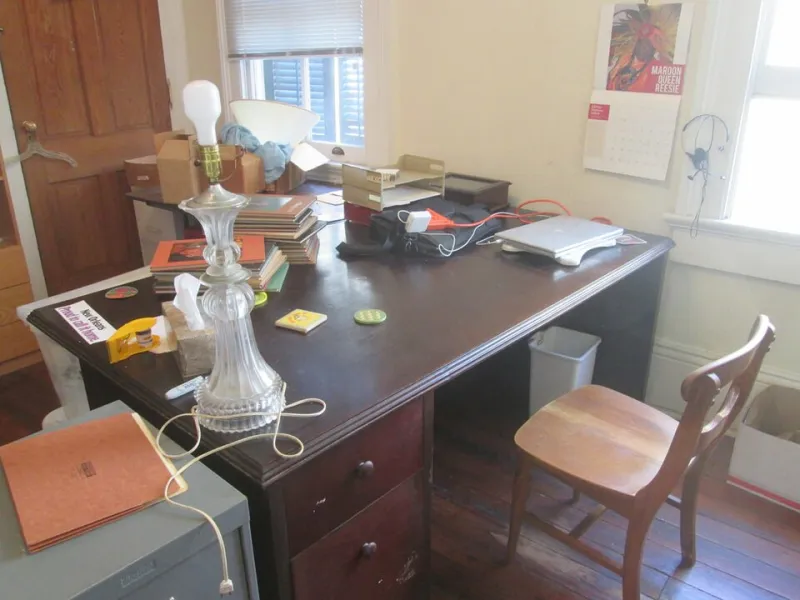
Photo: Infrogmation of New Orleans, CC BY 2.0, via Wikimedia Commons
As November 2026 moves towards its close, the BLR Centre takes on a familiar rhythm: deadlines tighten, diaries fill and the shared desk becomes both a useful base and a potential source of interruption. The answer is not to retreat into permanent silence or to treat every conversation as an intrusion. A workable focus protocol is more modest and more social than that. It is a set of signals and agreements that allow concentration to be protected without turning a colleague into an obstacle.
Why concentration needs a protocol
In a shared workspace, focus is rarely lost in dramatic fashion. It erodes through small, reasonable interruptions: a quick question, a nearby call, a printer conversation, a neighbour checking whether a seat is free. Each is understandable. Together they can consume the best part of a morning.
The final weeks of 2026 bring particular pressure. Teams are completing projects, preparing for year-end reporting and arranging festive commitments. The BLR Centre is also hosting seasonal networking and community activity, which adds welcome energy but also more footfall. A light protocol helps everyone interpret the room correctly. It should be visible enough to prevent accidental disruption and flexible enough to preserve the collaborative character of the space.
Signal clearly, without closing the door
A visual do-not-disturb signal should be clear from a short distance and easy to understand without explanation. A simple desk card reading “Focused work until 11:30” is more useful than an ambiguous sign. It tells a neighbour what is happening and when normal conversation may resume.
Signals work best when they are used consistently. A coloured card, a small desk flag or a monitor sticker can all serve the purpose, provided the meaning is agreed locally. Avoid signals that imply permanent unavailability. The intention is to create a short, bounded period of concentration, not to suggest that the person behind the desk has become unapproachable.
For those using headphones, a visible signal remains helpful. Headphones can mean music, a call or simply a preference for quiet, and desk neighbours should not have to guess. Pair headphones with a written cue that includes an end time where possible.
Use short quiet-room bookings deliberately
Quiet rooms are a valuable BLR Centre facility, but they should not become a default escape hatch for the whole day. Short bookings of 45 to 90 minutes are usually enough for a defined task: drafting a proposal, preparing a bid response, reviewing a contract or completing a piece of financial work that requires sustained attention.
Book with a clear purpose and a realistic finish time. If the room is booked from 10:00 to 11:00, aim to return to the shared desk at 11:00 rather than extending the booking as a matter of habit. This keeps the facility available to others and reinforces the principle that focus time is planned rather than indefinite.
Where possible, group quiet-room use around the task that most needs it. A single protected hour for complex work is often more productive than a fragmented afternoon at a shared desk. The discipline lies in choosing the hour deliberately and communicating it to anyone who may need to reach you.
Protect meeting-free blocks
Calendar discipline is as important as physical signals. A meeting-free block should be entered in the diary with a clear label, such as “Focus block - BLR Centre desk”, and treated as a genuine commitment. It is not necessary to explain the content of the work to the whole office, but it is helpful to indicate when you will be available again.
For teams, a shared understanding of meeting-free periods can reduce unnecessary scheduling. If several colleagues routinely protect the first hour of the morning for concentrated work, meetings can be arranged around that pattern. The arrangement should be reviewed rather than assumed permanent, particularly as project demands change in December.
Meeting-free blocks should also include a reasonable response convention. A focus block does not require complete invisibility. Agree that urgent messages will be acknowledged, while routine enquiries can wait until the block ends. This distinction prevents the protocol from becoming an excuse for poor communication.
Keep noise etiquette reciprocal
Noise etiquette is most effective when it is mutual. Those protecting focus time should also respect the focus of others. Take calls in the designated booths or quiet areas, avoid speakerphone at shared desks and keep conversations at a considerate volume. If a call is unavoidable at a desk, keep it brief and move elsewhere if the discussion becomes detailed.
Headphone use should be managed with awareness of surroundings. Volume levels that cannot be heard by neighbours are preferable. If a neighbour is wearing headphones and displaying a focus signal, approach later unless the matter is genuinely urgent.
The same courtesy applies to movement and equipment. Avoid tapping, speaker use and prolonged rustling near a colleague who has signalled concentration. Small adjustments are usually sufficient, and they reinforce a culture in which focus is respected rather than merely requested.
Negotiate focus time with desk neighbours
A short conversation is often better than a silent sign. When working alongside new neighbours, agree a simple approach: how focus will be signalled, how long it will last and how urgent matters should be raised. This takes less than a minute and prevents misunderstandings later.
A useful script is straightforward: “I am going to protect the next hour for a deadline. I will have my focus card out until 11:30. If anything urgent comes up, please message me and I will respond as soon as I can.” This makes the boundary explicit while preserving accessibility.
Neighbours should feel able to make the same request in return. Reciprocity is the key. A shared desk culture in which only one person claims quiet time will quickly become strained. A culture in which everyone can ask for a bounded period of concentration is more durable and more courteous.
A simple weekly routine
At the start of each week, identify the tasks that genuinely require uninterrupted attention. Put them into two or three focus blocks rather than scattering them across the diary. Book a quiet room only where the task demands it, and use visual signals at the shared desk for shorter periods.
At the end of each day, remove the signal and confirm that normal availability has resumed. This small action matters: it prevents a focus signal from becoming a permanent label. It also gives neighbours confidence that the protocol is being used fairly.
As the BLR Centre moves through the final weeks of 2026, concentration should be treated as a shared resource. Clear signals, modest room bookings, protected diary time and simple conversation will do more for productivity than silence imposed without explanation. The aim is not to become the office hermit, but to make focused work a courtesy that everyone can understand and use.